
The Details That Make It Feel Like Home: Why Accessories Matter in Student Accommodation
I recently visited a new friend’s home for tea, a small space, but one that stayed with me. She’s a freelance stylist, known for crafting clean, curated room sets for brands and magazines, perfectly balanced, editorial, and beautifully designed to showcase furniture. So naturally, I expected something similar at home - something polished and styled to perfection.
But what I walked into was something quite different, and far more interesting.
It wasn’t perfectly coordinated or overly controlled. It felt lived in, layered, and full of personality. There were plants, books, artwork, and objects that hadn’t been chosen to co-ordinate, but to mean something. She walked me through the space, pointing out memories, photographs, and pieces of art that told the story of her life.
Despite being a small home, it felt incredibly generous. We sat at the breakfast bar, the dining table, and the sofa, moving naturally through the space in a way that felt completely relaxed.
What struck me most was how similar it was in scale to a shared student kitchen or living space, yet the atmosphere was entirely different. It wasn’t the size that made it feel comfortable, but the layering, creativity, personality, and the way the accessories gave the space depth and instantly put me at ease.
Try imagining a home without accessories. No artwork on the walls, no cushions on the sofa, no rugs underfoot, no plants, no layers. Just furniture - clean, functional, and technically complete.
It works on paper, but emotionally it feels flat. Cold, even. There’s nothing to hold onto, nothing that suggests anyone actually lives there.
This is something I often see in student accommodation. Spaces that are well planned and well finished, yet somehow still feel more like a showroom or workspace than a home - efficient, yes, but not entirely inviting.
And just like in my friend’s home, it’s the layers and accessories that give a space its personality. They help people relax into an environment without thinking about it. They create warmth, familiarity, and a sense that someone actually lives there.
More often than not, when a space feels slightly detached or impersonal, it’s because those softer details have been treated as an afterthought.
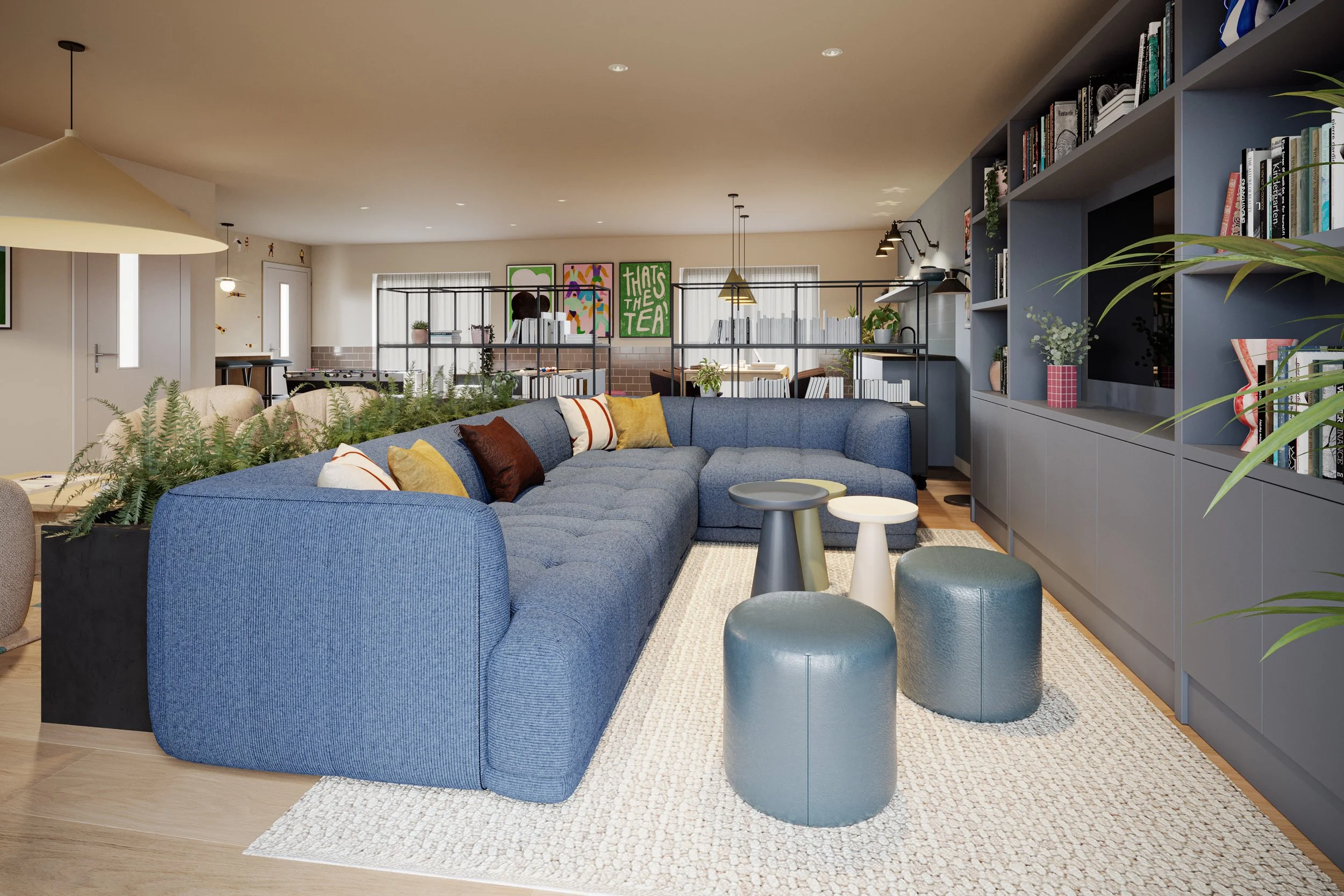
Why Accessories Are Part of the Design — Not the Decoration
Accessories are often the first thing to disappear when budgets tighten. They’re seen as optional or easily removed. In reality, they do far more work than they’re given credit for.
They soften hard edges, bring warmth into large shared spaces, and introduce texture where finishes stay neutral. They make environments feel human rather than programmed.
In student accommodation, accessories carry even more weight. Students are arriving in a new city and stepping into their first home away from home. That first impression needs to offer comfort, familiarity, and reassurance.
That reassurance rarely comes from layout alone. It comes from the softer layers that make a space feel considered rather than simply installed. Without them, rooms can feel slightly exposed. With them, they feel more settled and easier to relax into.
From Space to Place
There’s a subtle shift in how a room is read once it starts to feel lived in. Furniture sets out function, but it’s the layers that shape how you respond to it emotionally.
A sofa indicates where to sit, but cushions suggest staying longer. A dining table sets purpose, but a rug anchors it and encourages gathering. Artwork, alongside textiles, plants, and layered objects, turn generic rooms into places with personality.
These are the elements that move student accommodation away from a corporate aesthetic towards something more relaxed and lived in. They allow spaces to feel collected rather than constructed - as though they’ve developed over time rather than being delivered fully formed.
That sense of being collected, rather than constructed, is often what creates authenticity.
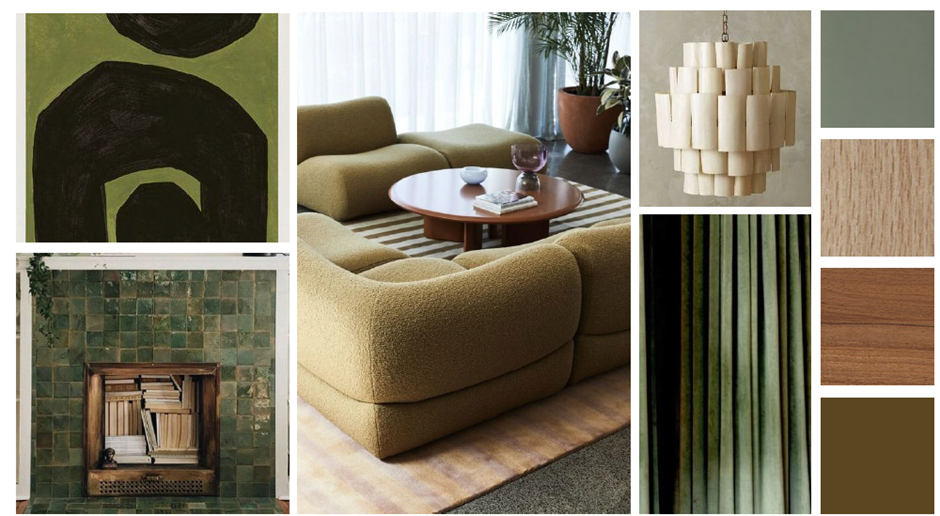
Comfort, Cosiness and Wellbeing
There’s a reason people gravitate towards layered spaces. Texture, softness, and variation all affect how calm and comfortable we feel.
Minimal interiors can work well when intentional, but when they become too stark, they can make you feel slightly on edge - too controlled to fully relax into. The line between calm and empty is thinner than it looks.
In shared student environments, it’s often the accessories as a whole that shift this balance. They introduce softness where architecture is hard and variation where finishes are restrained. More importantly, they create ease - spaces that feel usable rather than precious.
Plants play a key role here. Biophilic elements introduce life and movement into otherwise static interiors, subtly shifting the atmosphere. Whether real or carefully chosen artificial planting, they soften communal spaces and bring a more natural rhythm into the environment.
Together, these layers support wellbeing in a quieter way - not just visually, but emotionally. In busy shared spaces, that difference is noticeable.
In Refurbishment Projects
In refurbishment projects, particularly where budgets are tight, accessories become one of the most effective tools available. They can reshape how an existing space is perceived without major intervention.
A few carefully chosen pieces can uplift existing finishes, unify mismatched furniture, and restore a sense of intention to spaces that may have become inconsistent over time.
Artwork is especially powerful here. Scaled correctly, it anchors walls and reduces visual fragmentation. Curated groupings introduce rhythm without overwhelming a space. More importantly, artwork can pull together a colour palette, echoing tones already present across finishes and furniture so the scheme feels cohesive.
These small decisions often define whether a refurb feels simply updated or properly resolved.
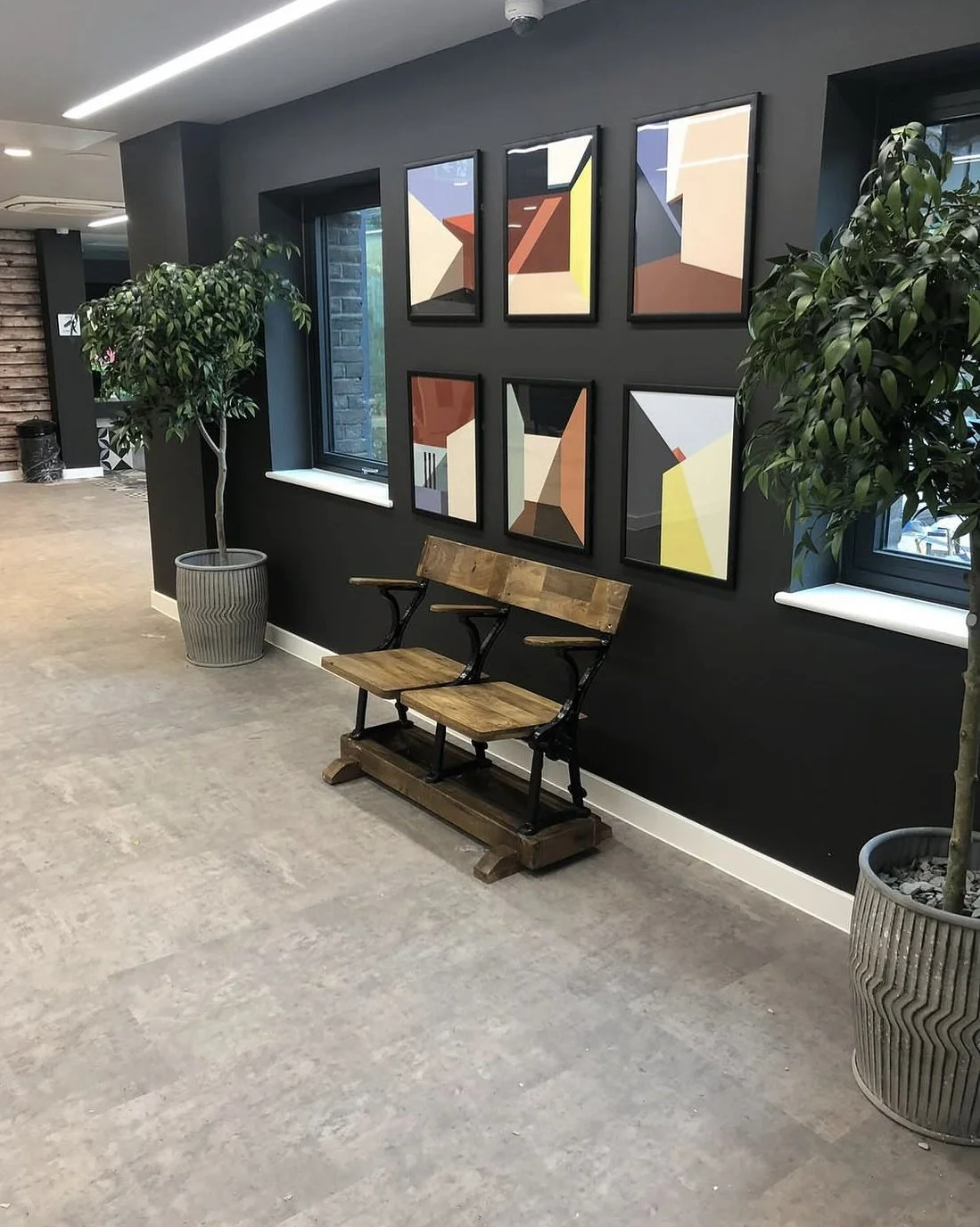
Accessories as Quiet Storytellers
It’s often the smallest details that give a space character. Objects that feel chosen rather than specified. Textures that sit comfortably together without being overly coordinated.
Accessories also help connect interiors to place. This might be through local references in artwork, material choices, or colour palettes rooted in the surrounding context rather than generic schemes.
There’s also an opportunity for students to become part of that narrative. Spaces feel more alive when they continue to evolve after completion. Pinboards and noticeboards allow this, whether for artwork, photography, or everyday activity within the building.
When students see their presence reflected in the environment, it changes their relationship with it. It becomes less of a place they occupy and more of a place they belong to and care about.
Making an Impact Without the Budget
One of the advantages of accessories is how much can be achieved without significant cost. In refurbishment or older buildings, this becomes a key design tool.
There is now a wide range of durable, cost-effective products designed for high-use environments. The most successful schemes balance robustness with character, pieces that withstand daily use while still introducing warmth and interest.
Mixing new with repurposed or vintage pieces can also add a depth of interest. Carefully selected second-hand or one-off items bring authenticity that fully matched schemes often lack. In refurbished settings, this helps soften existing architecture and create a more layered feel.
Sustainability plays into this too. Reuse, longevity, and reduced waste often result in spaces that feel more interesting and less uniform.
Even small interventions - a change in material, a more tactile finish, or an item with history can shift atmosphere without increasing budget.
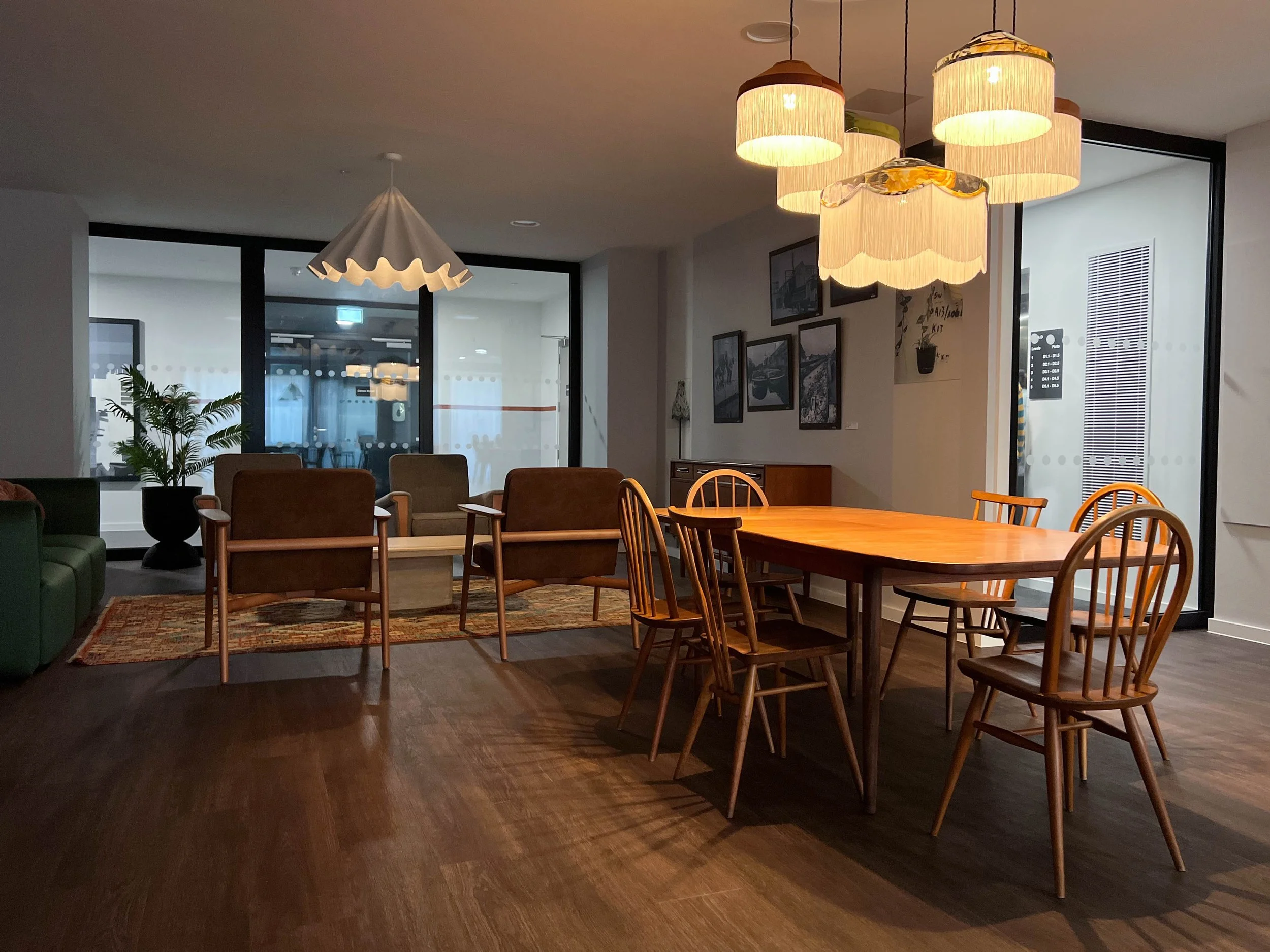
It All Comes Back to Atmosphere
What makes a space successful is not just how it looks, but how it feels when you step into it. That sense of ease is immediate, even if difficult to define.
It’s the feeling of being invited in. A space that can be used naturally, comfortably, without thinking twice about it.
Without accessories, student accommodation risks feeling functional but detached. With them, it becomes more grounded and human.
This is where the idea of spaces that feel collected rather than constructed becomes important. The best interiors feel layered and considered, as though they’ve developed naturally over time.
Ultimately, it’s about how students live within these spaces - their wellbeing, their comfort, and their ability to connect with both the environment and each other.
And perhaps that’s why my friend’s home stayed with me long after I left. Not because it was perfectly styled, but because it felt personal, relaxed, and genuinely lived in. The accessories weren’t there to impress - they told a story, created warmth, and made a small space feel generous.
Student accommodation should aim for that feeling too.
Accessories may only be one small part of a wider scheme, but they are often the layer that turns a space from somewhere students stay into somewhere they feel they belong.
N+LX