
High Vibrational Spaces – The Key to Creating Joyful Spaces
Have you ever met a person that you instantly connected with, because their warmth, wit, and character were simply illuminating (of course you have)? Well, think back to that meeting and how you felt leaving that encounter - lighter, uplifted, renewed. That person may still be in your life, or it may have just been a brief encounter, but that feeling is all the same. That’s what I would call a high vibrational person. Now imagine a space that does the same. The Nelson and Long team are going to be exploring and instilling these qualities within our designs this year to elevate the spaces we create for you - spaces with more spirit, more aura, more joy. Spaces that hold energy, mood, and emotion just like people.
In what seems like a very low vibrational time, our environments matter more than ever. The spaces we interact with need to protect and enhance our peace and wellbeing. If it’s not the news, it’s the weather (here’s hoping for a good Summer this year), cost of living, or our busy lives, where sometimes it can feel like we haven’t fully paused and exhaled in a hot minute. Not to dogpile it on, but I’m sure you will agree - now is the time to fully explore how to elevate our sanctuaries to counteract low vibrations.
So, let’s further elaborate what a high vibrational space is. If I was going to do an Oxford Dictionary synopsis, I would say really focusing on feeling is the key to unlocking a high vibration. Spaces must lean out of trends, be comfortable, alive, and joyful without being loud. Painting a wall bright yellow isn’t going to cut it and probably will do the opposite. We don’t want overstimulation - we want high vibration. Considering these qualities is even more important when designing these sometimes temporary and shared living environments. Now onto the fun stuff…
Designing for the Senses
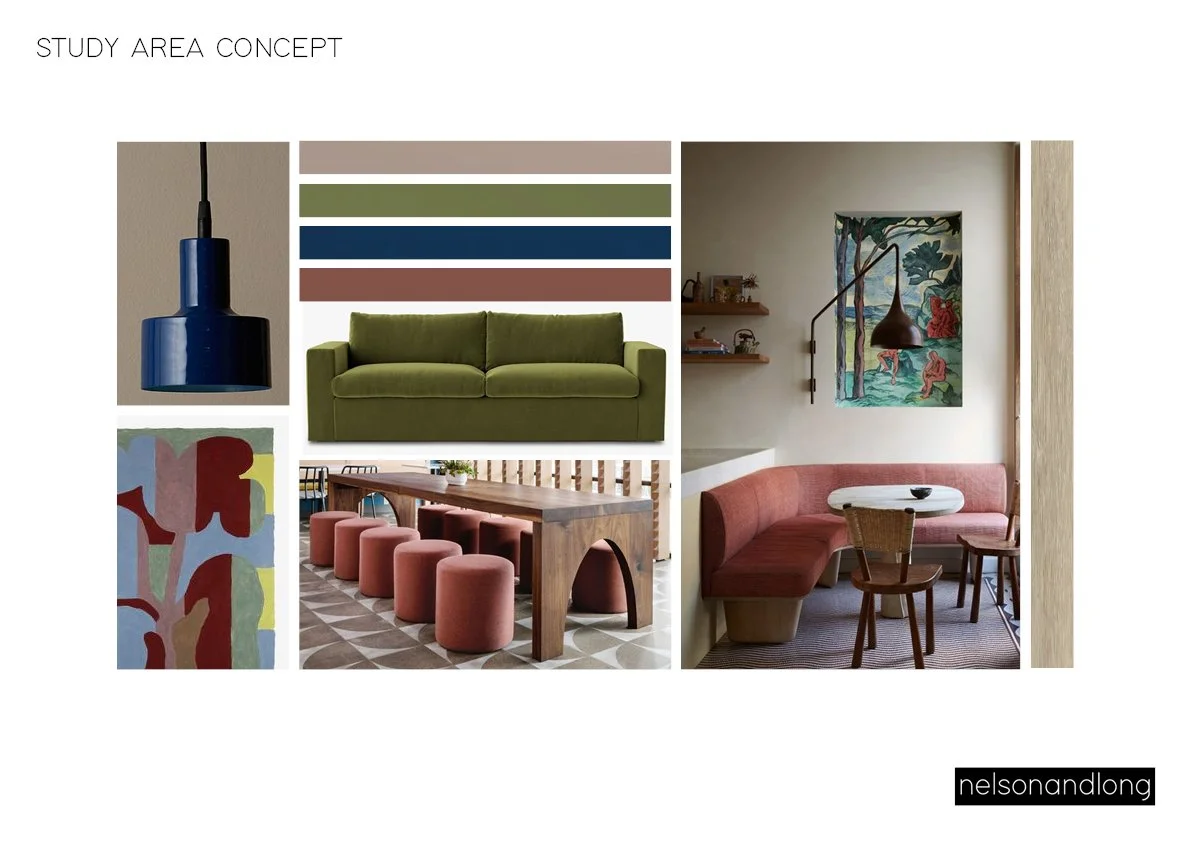
One way to unlock the highest vibration of a space is to consider all the senses. When all the senses are tickled, stimulated, and satisfied, the benefits to one’s wellbeing can be overwhelming in the best way possible. But it’s about tapping into the five senses in a subtle and unintentional way. We don’t need loud music or plug-in air fresheners that throw a space out of kilter - it’s about matching the right energy to the right space to suit its inhabitants. Things need to align. Walk the space through and sensory map; also, if possible, try to use holistic and natural ways to uplift people. Think - instead of a diffuser with a floral scent, have bunches of seasonal fresh-cut flowers dotted around. This link to nature softens and deepens someone’s connection and association to a space - environments begin to take shape and feel human.
Here are some great examples you could explore within a space:
Sight: layered colour palettes that emit warmth, softness, and visual depth
Touch: tactile finishes, soft fabrics, and materials that invite you to reach out and touch
Sound: sound-absorbing furnishings and materials that absorb noise and create calm. Also, explore melodic and soothing music in communal areas that makes spaces more connective and less awkward
Taste: if possible, offer a tasty weekly breakfast that explores different cultures’ food to expand the palette and aid in community building
This can be a powerful combination when curated with care and consideration in mind. Spaces will feel more experiential, inclusive, inviting, but never overwhelming.
Layering for Depth and Comfort
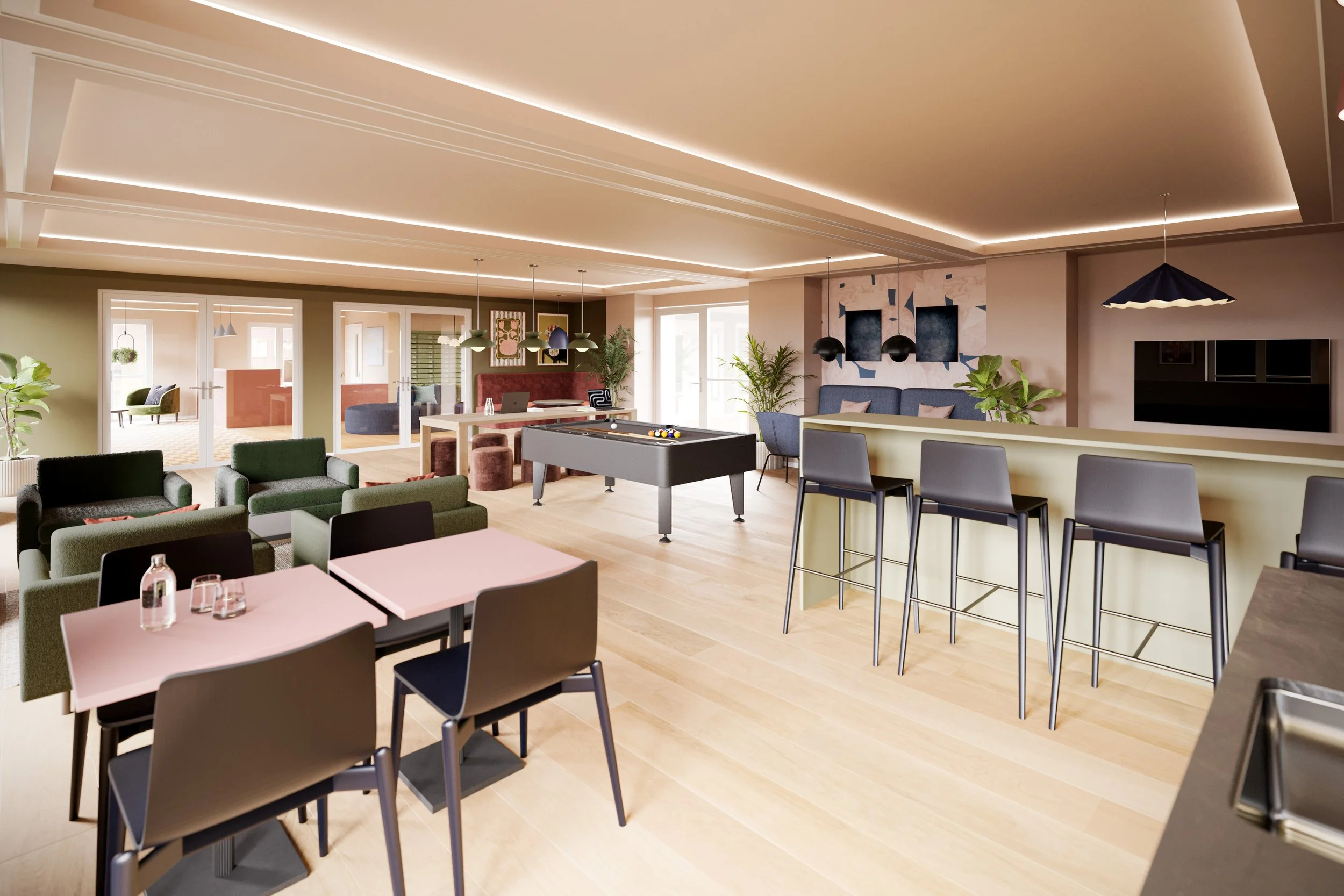
Layering is a very important component to get right to make sure a space is high vibrational. Just like a good story, clever and effective interior design is multifaceted - it’s got depth and an air of mystery. Accessories come to mind for many when we think about layering, but that’s just the cherry on top in our opinion. Everything from the flooring to the furniture is a layer that needs careful consideration to get the vibe right. Think of it like a building - if you get the foundations wrong, the rest of the building just won’t work. Design is subjective, of course, so this can make it harder to get right, but by taking it one step/layer at a time with the right guidance, you can achieve wonderful and beautiful things. Have you ever looked at an interior and just thought, “there’s something not quite right,” but you can’t put your finger on it? Yeah, that’s pretty much what I’m talking about - there’s a fundamental problem with the layering.
So, what can we look at to make sure a design comes together well? Yet again, start with leaning into emotional depth. What accessories, what layers would your residents ask for? If you don’t know, that’s an opportune time to connect with them. Do your research - the internet can be a helpful treasure trove too, but don’t be led by what you personally like. Also, be wary of over-cluttering a space. I promise you, even a couple of extra cushions can throw a design out of whack - or not enough can have the opposite effect, making spaces feel flat and minimal. Accessories help spaces feel lived-in, safe, and cared for and isn’t that what we want within a space?
Comfort as Energy
Ok, so what do we really want from a space? For most people, it’s comfort. Comfort and high vibration might not be words you’d normally pair, but together, they’re a perfect match. If you’re comfortable, you’re relaxed, you’re yourself, and your internal energy levels rise. You feel happier, more content, more… you. Designing with feeling in mind taps into psychology and when a space connects correctly on a physiological level, well, you know what the benefits will be.
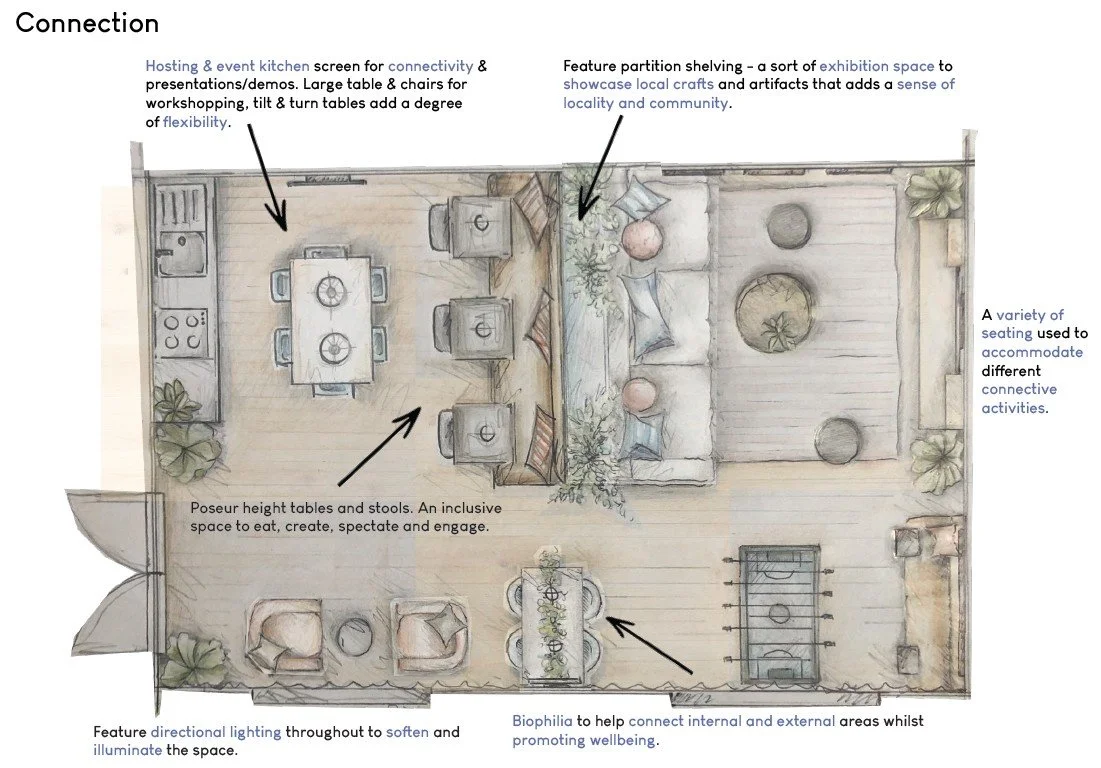
To layer comfort properly, pick the right furniture for the right spot. A big, squashy sofa gives a hug after a long day - perfect for a lounge area where you want people to feel relaxed. Furniture has its place; you just need to know where to put it. When you get these things right, the body and mind start to slow down, and spaces feel less rigid, more personal. These tactile, colour-coordinated touches help create both physical and emotional ease.
Emotional Residue of Spaces
Here’s an angle that’s often overlooked but incredibly powerful: the emotional residue of a space. How people feel and interact within it matters more than you think. If people’s energy is low or negative, it can drag a space down too. Ever have a conversation with someone rude, then carry that feeling all day? That energy rubs off on everyone you meet - it’s transfer in action. Spaces work the same way: they absorb energy from how they’re used.
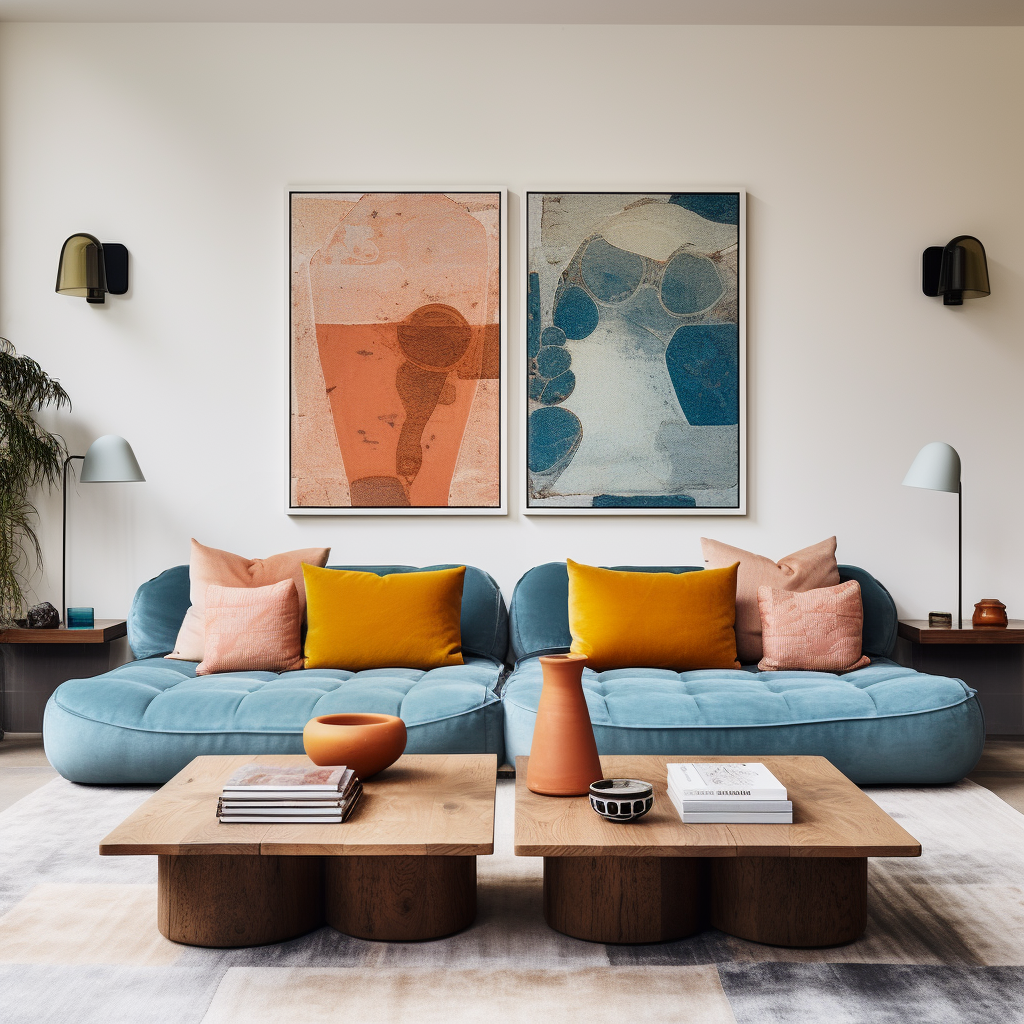
Thoughtful interior design can reset and rebalance all that energy. Colour, texture, ambient lighting, and layout aren’t just decoration - they actively shape mood, emotion, and the energy a space emits. The result? A space that supports and radiates high vibration.
Collective Energy & Belonging
Design underpins this, of course, and feeds into the collective energy of a scheme. Good design can encourage connection, generosity, and ease - all things we want to instil. It’s worth noting these spaces are shared, and people connect and socialise in different ways, so they need to be low pressure and not intimidating. These types of environments make people feel comfortable and when people feel comfortable, the energy in a space naturally lifts.
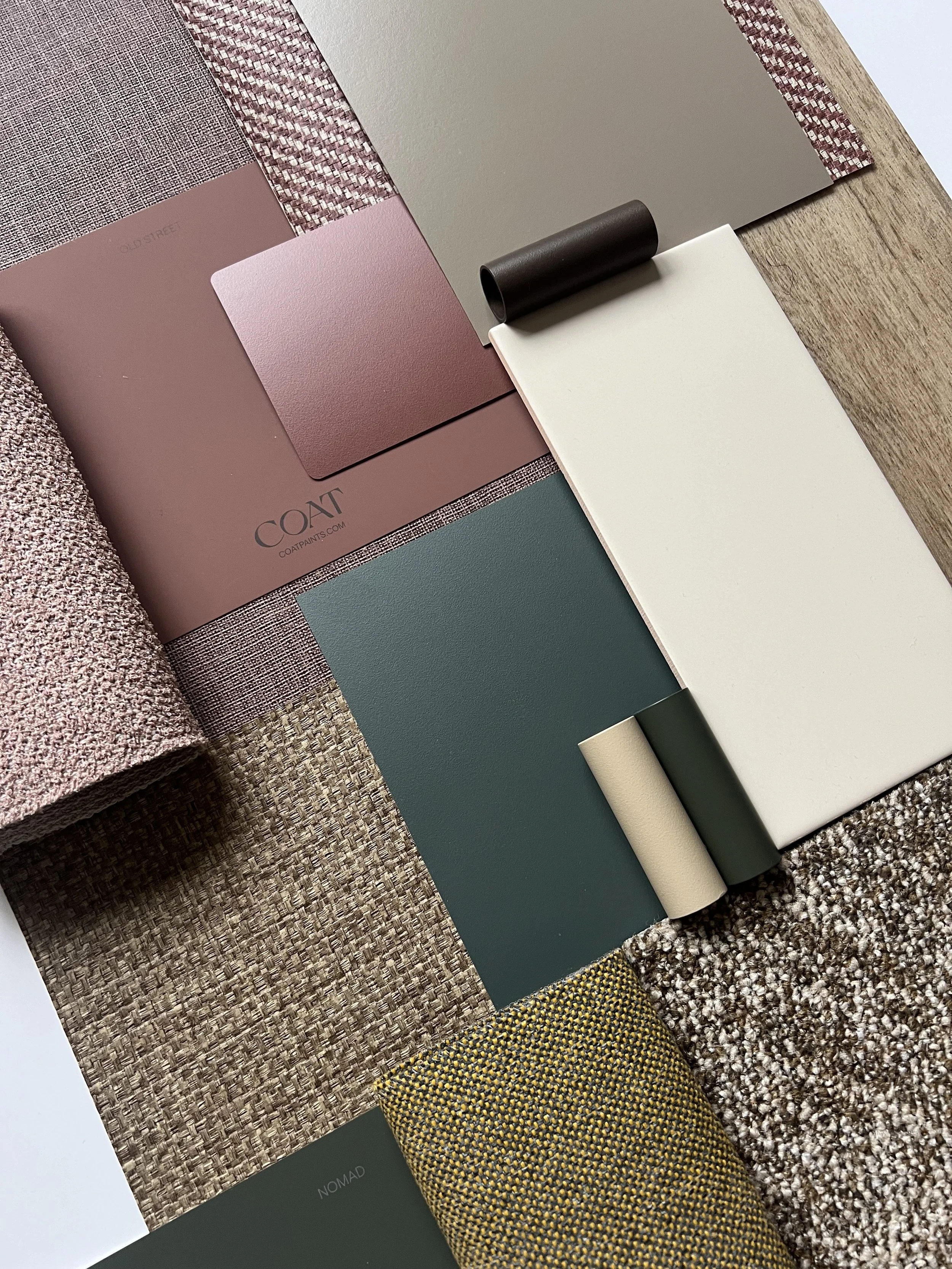
High vibrational spaces really aren’t about doing more, but rather about being intentional with every design choice to emotionally support and uplift those within a scheme. It’s also about being imperfect in the most perfect way, to make spaces feel human and joyful. Honestly, high vibration lives in the imperfect moments - think a tactile texture that unlocks a happy core memory, or a smell that reminds you of a loved one. It’s in these small moments where people really feel seen, heard, and connected to a space. These characterful foundations are an invaluable investment for wellbeing (and one your residents will thank you for), creating that feel-good feeling every day. So, here’s to more considerate interiors that prioritise support and high vibrational vibes - a feeling worth designing for!
N+LX