
Social Reset: Creating Spaces That Let Us Breathe, Connect, and Thrive
Why We Need a Social Reset
As I sit here typing in the run-up to Christmas, it’s becoming clear that not just a student social reset, but a global reset, is needed. By the end of the year, we often feel burnt out, tired, and resemble somewhat of a headless chicken - weighed down by endless logins, notifications, and emails. Last year was no different for most of us. And that’s why I love Christmas: it gives a massive thumbs down to that energy.
We’ll all be back into the swing of things now, but how lovely was it to simply rest and enjoy authentic, uninterrupted human connection over the festive break in our own comforting homes?
Wouldn’t it be wonderful to feel that sense of calm all year round? Well, we can - we just have to emulate those qualities and lead with the theme of ‘social reset’.
Social Reset, I hear you say… Well, that’s something the Nelson and Long team will be exploring more this year. But what exactly is a social reset space, and why do we need them?
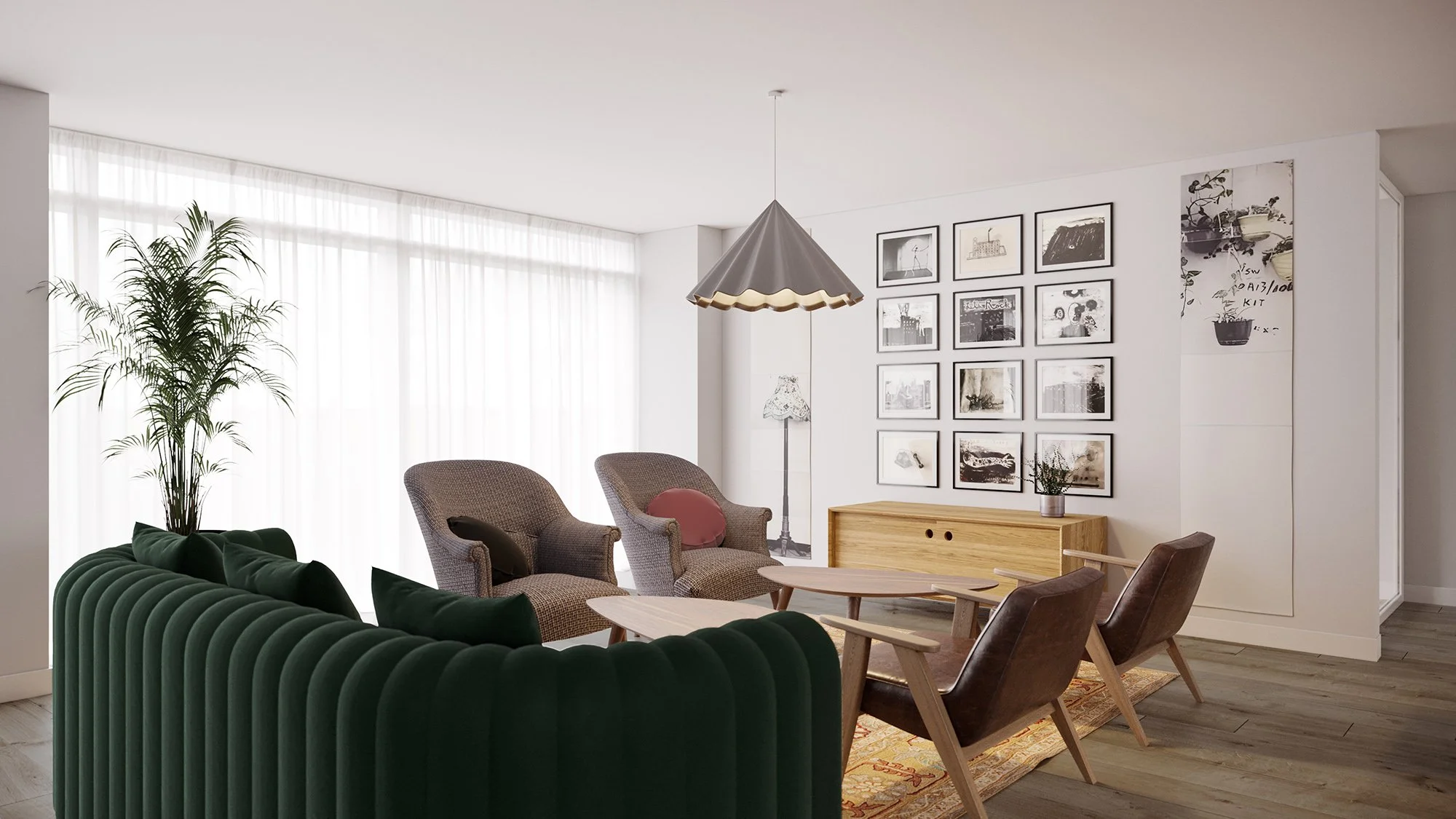
Social reset spaces are designed to nurture connection, comfort, and calm. They are environments with genuine warmth and uplifting energy - spaces that allow people to recharge, renew, and positively thrive. They are interiors that are multi-dimensional, tactile, and alive with vibration.
We need social reset spaces because digital overwhelm, social fatigue, and emotional burnout are on the rise - especially among students and young renters. These environments restore calm, authenticity, and human connection, balancing community energy with moments of personal pause.
In a future where shared living is expanding and technology is ever-present, operators who prioritise emotionally supportive, honest, and grounding spaces will stand out. Social reset interiors offer a powerful way to create places where people can reconnect with themselves, with each other, and with the real world around them – leading to higher retention and helping with community building.
The Cultural Loop: Why We’re Returning to Analogue Hobbies
Daily life can often feel like a hamster wheel. It can be so fast-paced, heavily digital, and all-consuming that we unconsciously crave calm and simplicity.
Maker-style activities - from knitting to ceramics, journaling, and photography - are enjoying a resurgence because we’re craving authenticity and realness we can’t find on our devices. People are leaning more into community and craft to build meaningful connections.
“71% of 18–28-year-olds struggle to concentrate during face-to-face conversations, often reaching for their phone after just a couple of minutes.”
People aren’t rejecting technology; they just want to step back from it - and that’s understandable. Even Gen Alpha are noticing these patterns and making a conscious, healthy shift to protect their peace and wellbeing. That’s why it’s so important, when designing, to pick up on social cues and create spaces that are tactile and able to nurture their needs.
Rebellion in the face of technology? I’m on board with it! It’s a way to reclaim presence in an overstimulated world.
Spaces That Let Us Be Human
Adam and Eve were given everything they needed to survive… and guess what they didn’t have? A phone.
The concept of a Social Reset is about stripping back digital noise and tuning into our instincts. It’s about creating interiors that allow people to breathe, linger, and connect.
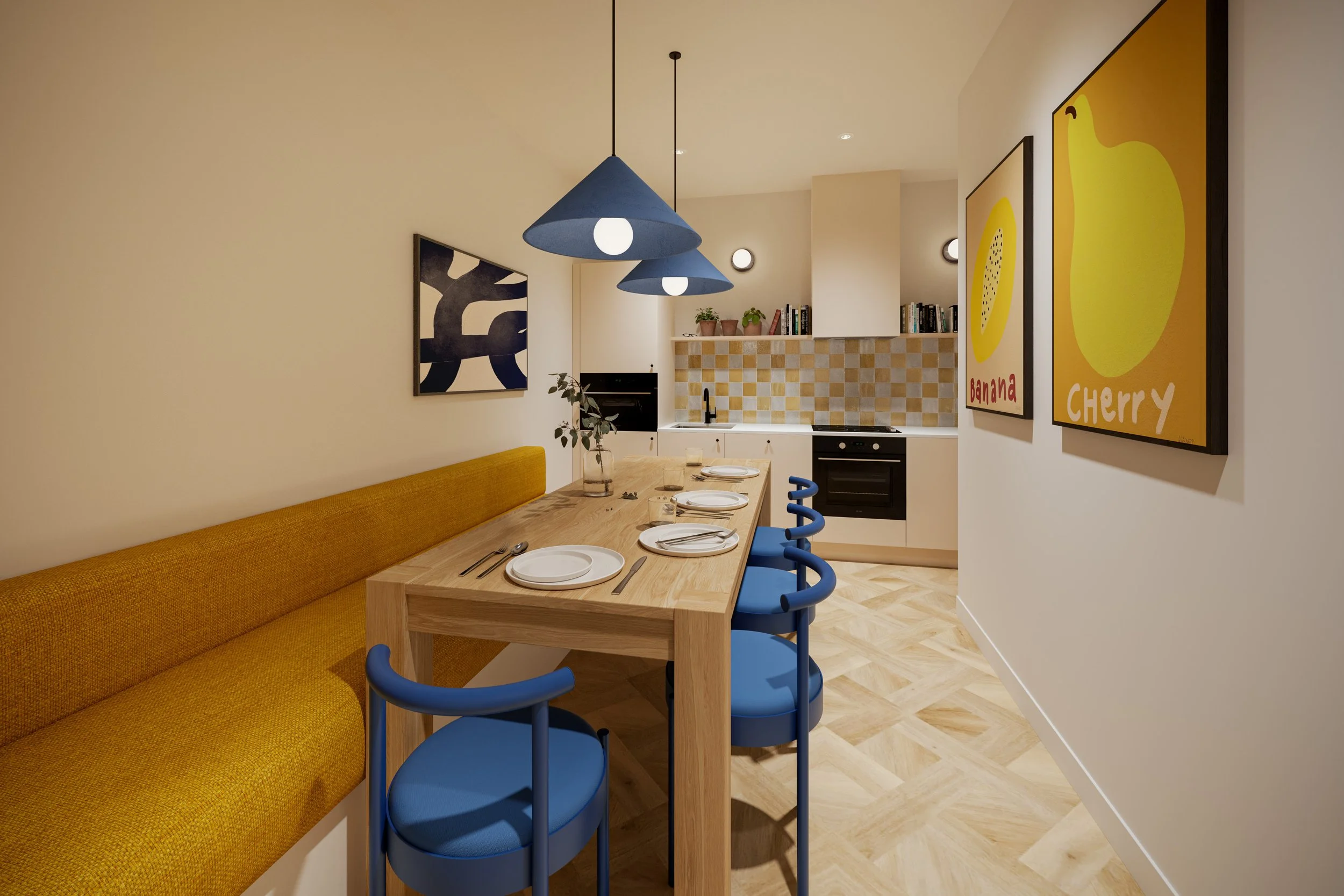
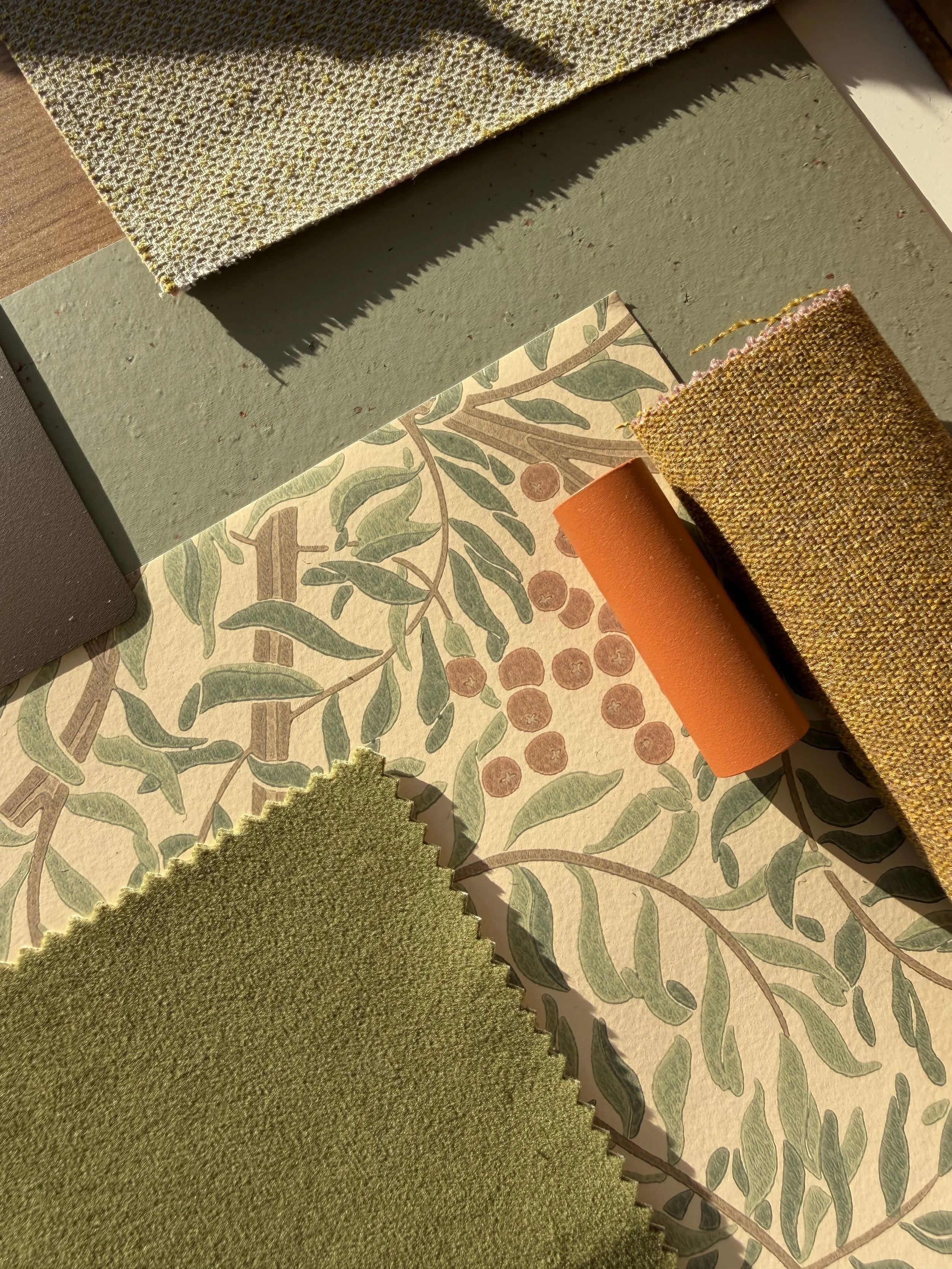
Think soft corners for spontaneous meetups, nooks for quiet decompression, kitchens that encourage cooking and conversation, lighting that supports, and textures that invite touch and relaxation. These all feed into nurturing our bodily and emotional needs.
By tapping back into what we innately need, we can build spaces around those needs. Not everyone wants to socialise in the same way, and that’s okay - the world would be rather dull if we were all the same. By creating environments that are diverse and human-centred, we encourage healthy, natural interactions, unaided by unnecessary technology.
“Around 40% of 16–29-year-olds feel lonely often or some of the time.”
Good design isn’t “a nice extra” - it’s a necessity and an invitation. Think of a chair you want to curl up in, a table you want to gather around, a corner that whispers (M&S advert voice activated) - nestle in and take a load off.
Sometimes we need to look back at our roots to move forward successfully. So, let’s relish being human and building spaces that feel human too!
Creativity and Presence
How much time do you spend on social media? If you’re anything like me, it might be too much (yes, LinkedIn counts - at least that’s professional).
It’s refreshing that a recent survey found over half of Gen Z have deleted social media apps in the past year to reduce screen time. How refreshing - and pioneering! It shows younger generations are fatigued by technology and craving analogue, tactile, and creative experiences.
There’s something restorative, therapeutic, and rewarding about making things and getting hands-on. Spaces should facilitate this for future students - but it doesn’t have to be obvious. Flexibility is key: a space can be used for crafting one minute and a meeting the next.
I love leaning into the obvious too though: creating spaces that really feel aligned to their use, unique, and user aligned. Imagine a maker’s lounge built from recycled and upcycled elements - I’m sure residents would thank you for your authentic approach.
There’s also a quiet power in these slower, hands-on moments. Doing something with your hands pulls you out of your head in the best way - it settles the nervous system, gives the brain a different kind of focus, and creates a sense of satisfaction that scrolling never will. It’s less about “being creative” and more about giving the mind a breather. When spaces make room for that kind of gentle, grounded activity, people naturally feel calmer, clearer, and more connected
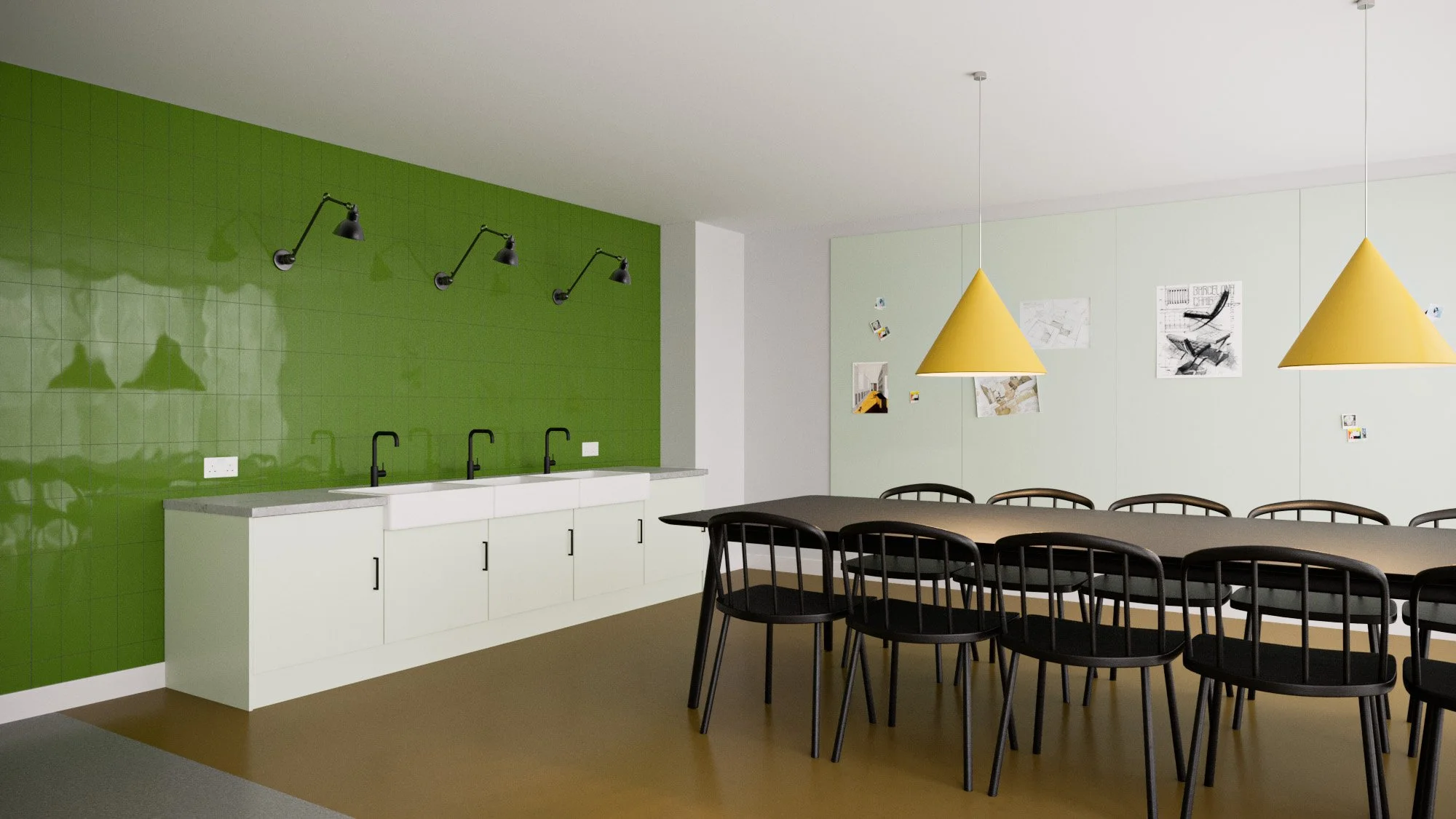
Shared spaces can quietly support activities like knitting, journaling, and baking by offering a craft corner stocked with paper, paints, yarn; a baking station where ingredients and tools are ready to use; a wall for pinning small creations.
It’s about leaning away from pristine, staged perfection - imagine spaces to try, mess up, and try again. Beautiful spaces that align with life’s trials, tribulations, and triumphs.
When curating spaces to reflect Social Reset, it’s important to sweat the small stuff to create a truly holistic environment.
Spaces that allow for micro-moments matter. Think:
Curling up with a book or sketchpad in a sunny corner
Leaving a board game out to invite spontaneous play
Stringing additional lights in a shared kitchen for extra ambience
Having a little box of craft supplies, paints, or journals ready to pick up
Small indoor plants or a touchable greenery corner to nurture calm
Conversation cards on tables to spark chat and laughter
These small touches help create pause in a busy day. They give permission to stop performing, drop the curated version of yourself, and just be.
Looking Ahead: Imagine a Year-Round Social Reset
Imagine feeling the calm and connection of a cosy festive break all year round. That’s what Social Reset is about: creating spaces that nurture, not overwhelm; that connect, not distract.
While we explore this in our practice at Nelson and Long, it’s really about asking: how can our environments help us live more humanly? How can they encourage calm, creativity, and connection in everyday life?
It’s timely. With mental health challenges rising - two-thirds of Gen Z have experienced or are experiencing a mental health problem - creating spaces that genuinely support wellbeing isn’t just nice, it’s necessary. The future of living is signalling what it wants… we just have to listen.
N+LX